“The vintage postcards, have their own haze—the places were never as nice as they look. I often struggle to get the two images to line up, as well. But time blurs the difference and brings everything into focus.”
Check out the incredible series of before and after pics below. And don’t miss Bored Panda’s interview with Maurer!
More info: Twitter | Instagram | DCist
#1
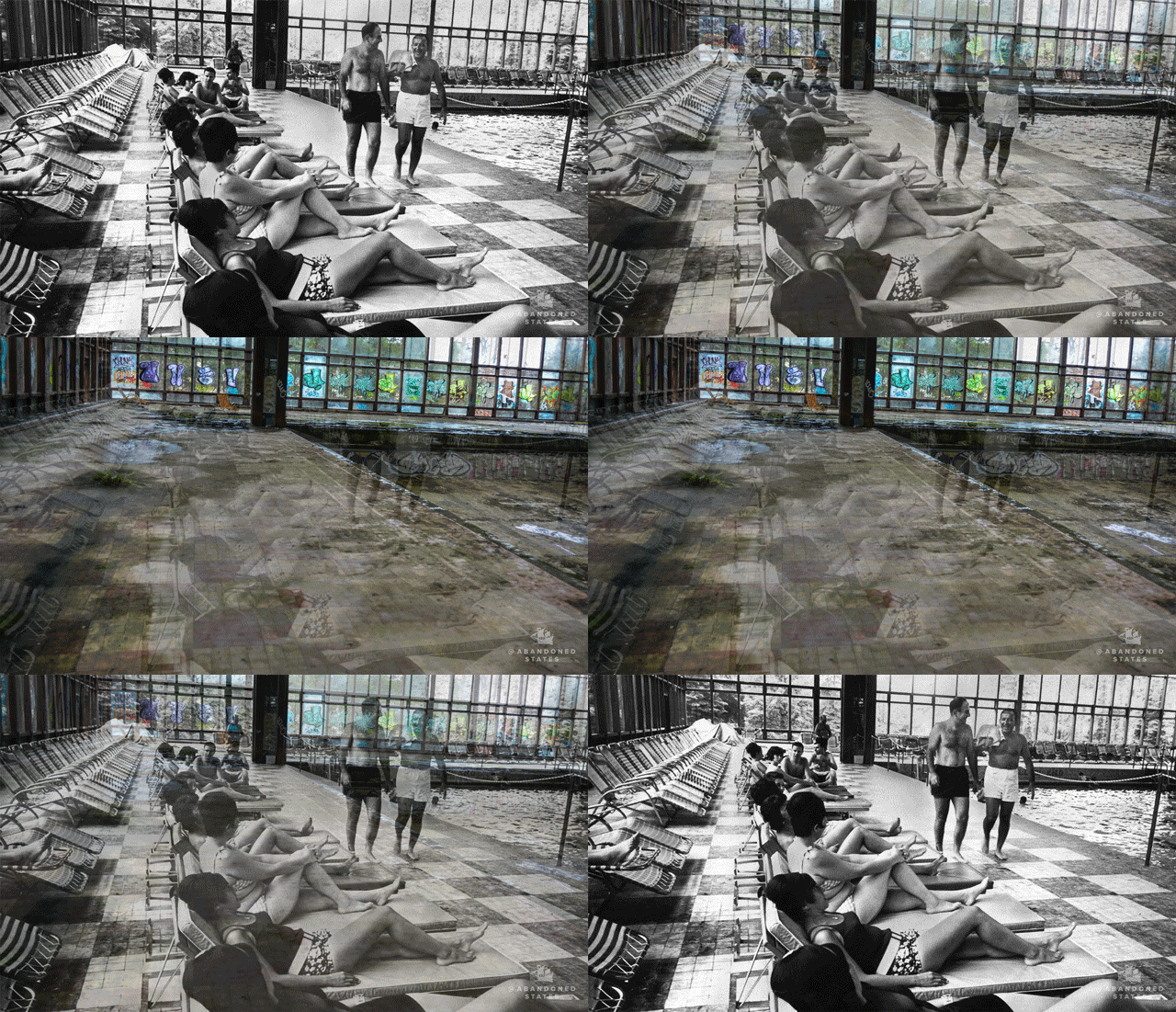
More of the indoor pool at Grossinger’s. The tiled floor was heated, the entire structure air conditioned. Above, beautiful mid-century “sputnik” chandeliers cast a glow on the swimmers below. Below the pool are exercise rooms, a gym, salon and a host of other amenities. The pool has sat vacant since the late 90’s and has fallen beyond repair.
Bored Panda got in touch with Maurer and he was kind enough to share his thoughts on the Abandoned States project with us. “I’ve been amazed at the staying power of the photographs and the whole project,” he told us about the project he unveiled in 2017, from his perspective in 2023. “All of these photos are deeply meaningful to me, as is the time I’ve spent in the Catskills and Poconos over the years. These are places that allowed me some time and space to meditate, or reflect on life, so I remain attached.”
Over the years, the photographer has revisited both places many times. “I’ve continued to marvel at the work others have done in documenting the area. My friend Marisa Schienfeld is a native of the Catskills and has worked for years to preserve the history of the Jewish resorts in the area. I also marvel at the work of Isaac Jeffreys whose nighttime photos of these resorts are awe-inspiring,” he said.
#2
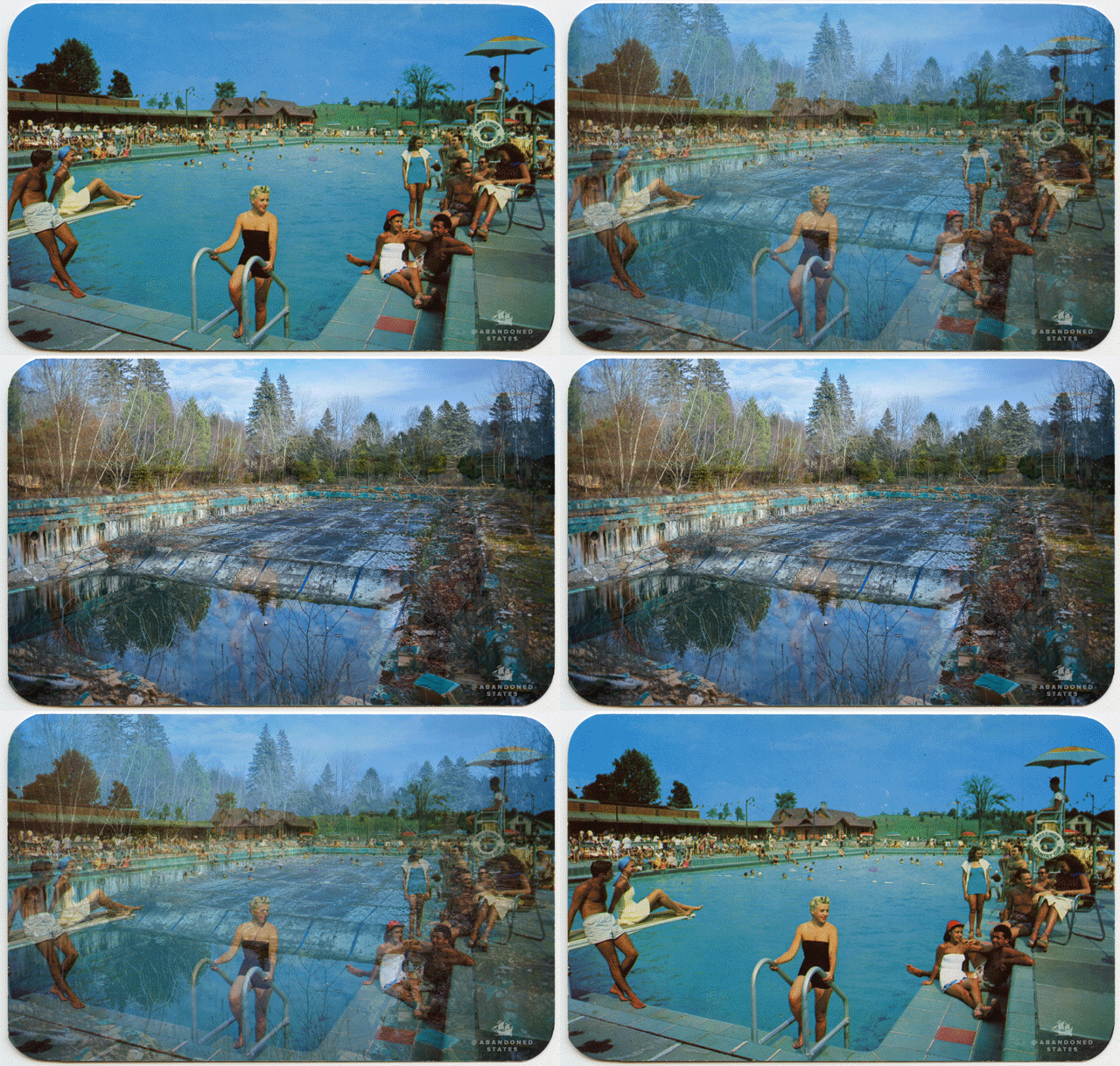
Grossinger’s outdoor pool, olympic sized, built in 1949 at a cost of $400,000 (about $5 million in today’s market.) Long gone are the private cabanas, changing room and lounges that used to surround it.
Bored Panda wanted to get Maurer’s thoughts on taking photos in abandoned buildings. He stressed the fact about how vital it is that everyone should use common sense and be safe. “And most importantly, respect these places for what they often are—historical sites. They should be afforded the same level of respect you offer some piece of untouched nature, or a work of art. Don’t take anything, don’t vandalize anything, and be extremely judicious about who you bring with you,” he said.
Meanwhile, we were interested in what advice he’d give other, new photographers. “My advice to any photographer is pretty simple—develop your own style. I’d much rather someone go out with a camera and shoot what feels right to them than go out with a camera and try and recreate something they’ve seen on Instagram,” he said that authenticity is essential.
“Taste is subjective by nature, so focus on finding your own voice and embracing it. You see this a lot in this stretch of ‘abandoned’ photography, which is full of over-saturated, highly retouched photographs aimed at making these places look horrific. My view is a little different—when you are in one of these places, the content itself is interesting enough. If you actually manage to take a good photograph of the place, it won’t need much help after the fact.”
#3
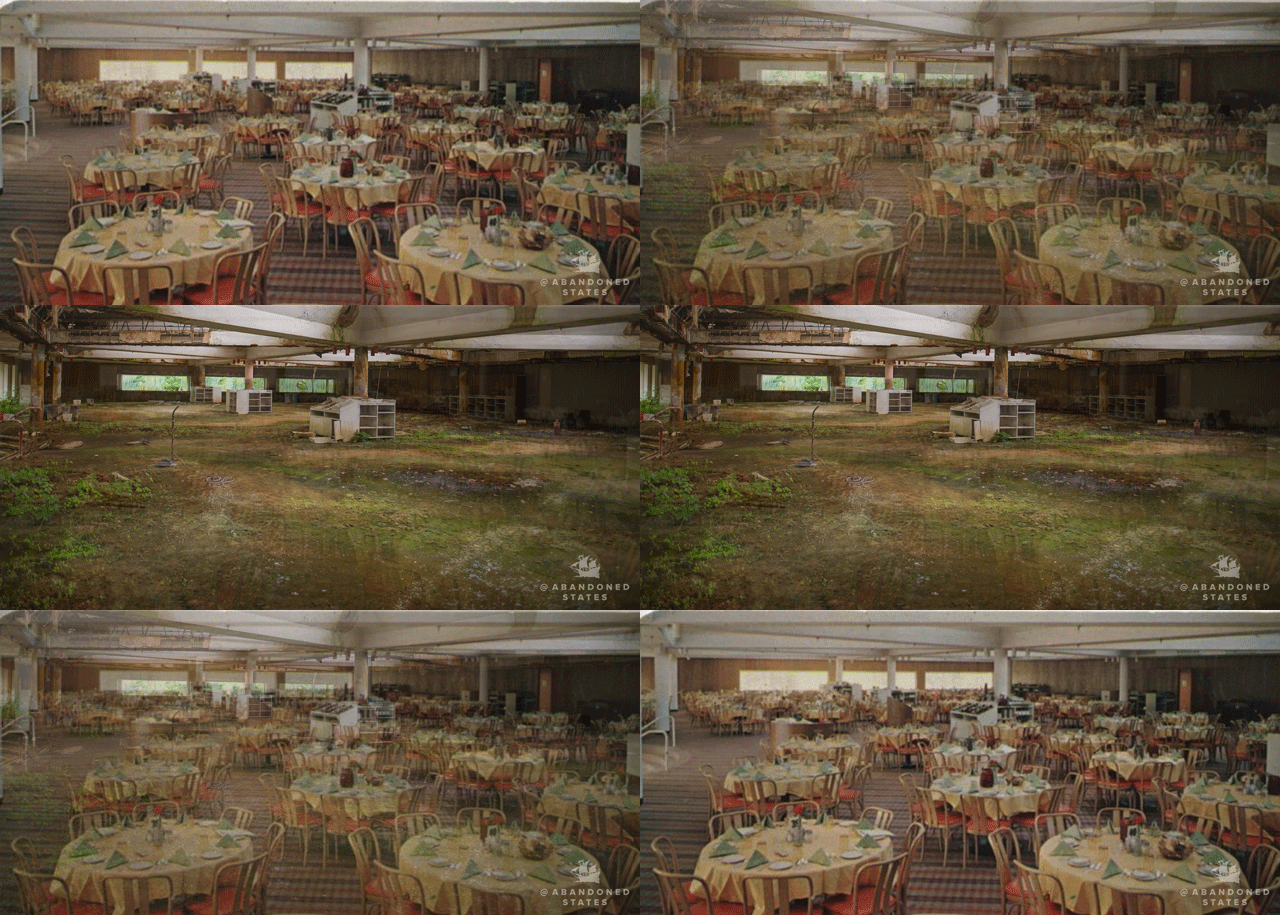
The browns and reds and oranges of this Poconos dining hall’s carpet have turned green, the color of the moss that’s taken its place.
Maurer is currently a staff writer for The Athletic. He covers soccer and focuses on the history and culture of the game. Meanwhile, his writing and photography have been featured in a variety of well-known outlets, including National Geographic, Smithsonian Magazine, Gothamist, and elsewhere.
The photographer’s Abandoned States project is widely known across the internet—you might have seen some of his photos without realizing who the man behind the camera lens is. Other people, however, spent their vacations at these very spots when they were young, so Maurer’s images were a real blast from the past for them.
#4

The Homowack Lodge now sits abandoned on the southern edge of the famed “Borscht Belt.” On its lower level, maybe the highlight of the place, a four-lane Brunswick bowling alley. It has seen better days. The resort closed in the mid-2000’s but lived on briefly, first as a Hasidic resort and lastly as the site of a summer camp—one which was forced to shut down after the NY Department of Environmental Conservation deemed it uninhabitable.
Through his photos, taken in the resorts in Poconos in Pennsylvania and Catskills in New York, Maurer shows the stark contrast between once-booming holiday destinations and their current state. Ruins, abandonment, and deep silence have now replaced the smiling faces and joyous laughter of vacation-goers.
Pristine leisure spots have become overrun with nature or suffered so much damage from the environment that they look like something straight out of a post-Apocalyptic movie. The images are a reminder of the ravages of time and how it spares no place, no matter how popular it might have once been.
#5
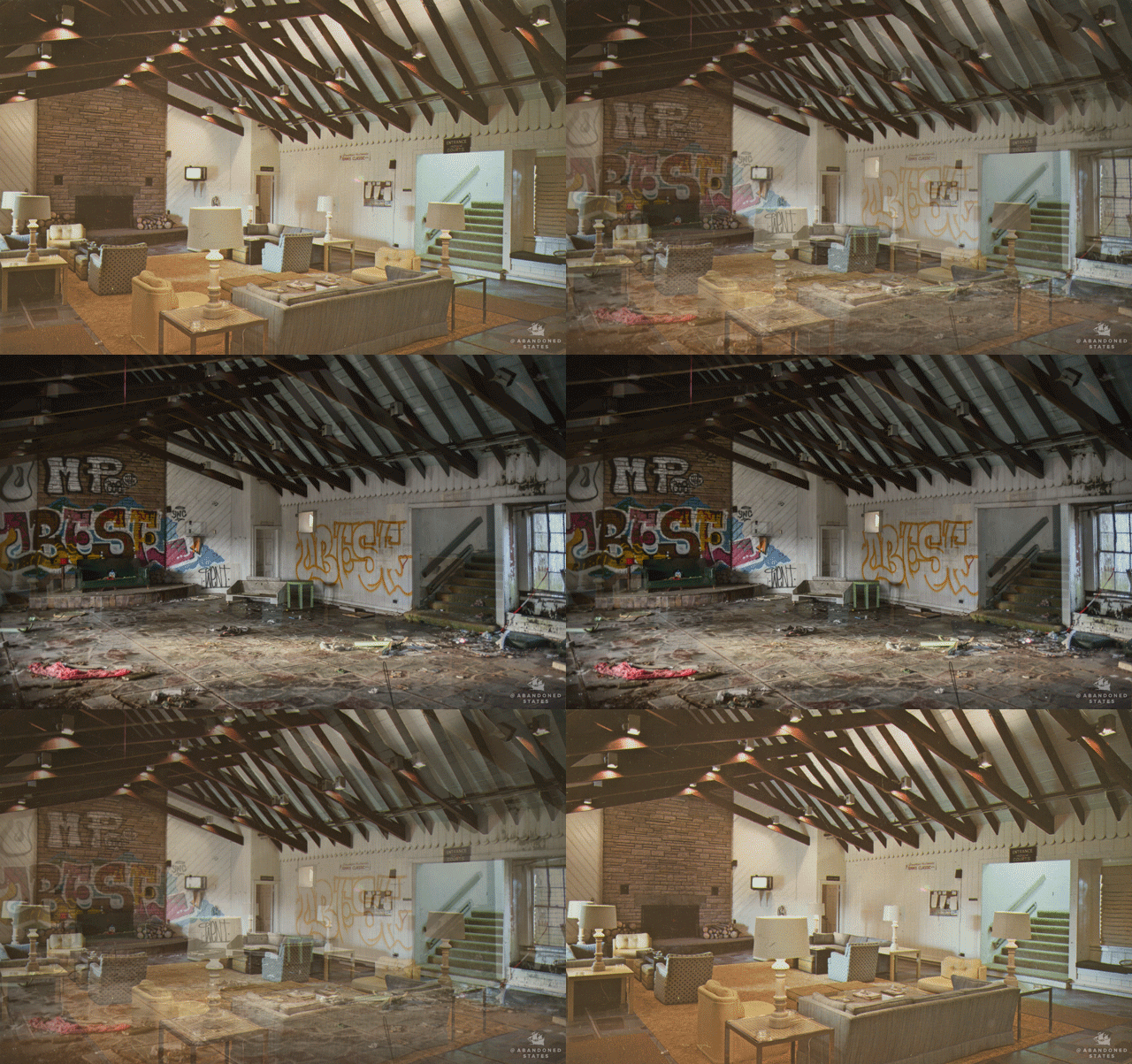
Grossinger’s indoor tennis center. The rear of the postcard is an ad for Grossinger’s rye bread, a local staple during the resort’s operation. Resort royalty Jenny Grossinger lays out the pitch: “The fun and fresh air people get here at Grossinger’s really gives them an appetite. They love all of our food – and a particular favorite is our Grossinger’s rye and pumpernickel bread. Now you can get this same healthy, flavorful bread at your local food store. Try a loaf. I’m sure you’ll love it.”